 Walking tour
Season: Year-round
Hsinchu old city walking tour
- The East Gate, the moat and the City God Temple
- Japanese-era buildings and the story of old Zhuqian
Landmark
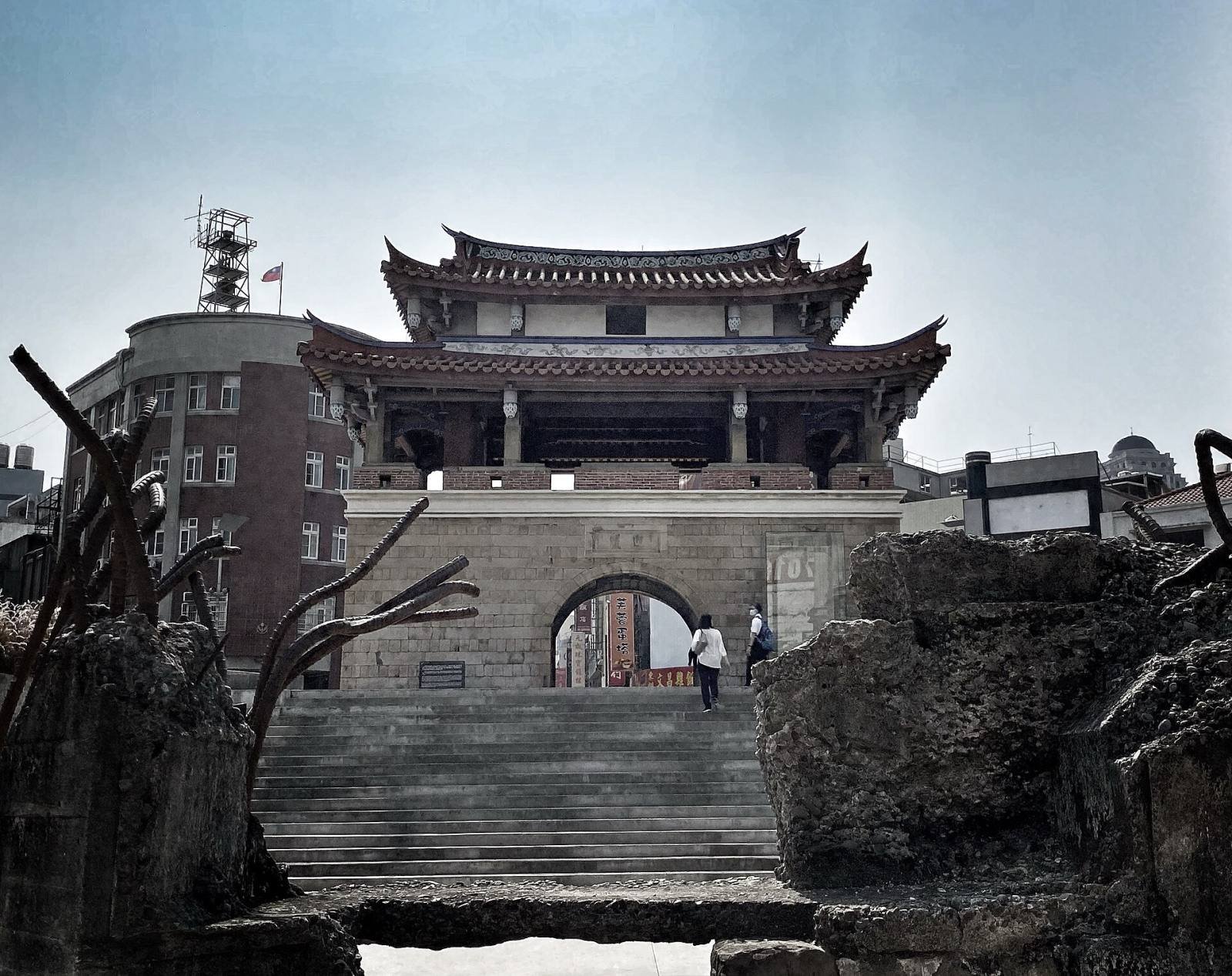
The East Gate, or Yingxi Gate, the “gate that welcomes the morning sun”, is the symbol of Hsinchu. Built of granite in the 1820s, it is the only gate left from the walls of old Zhuqian, and it stands on a plaza in the middle of the city, lit up in gold at night.
In the 1820s, the people of Zhuqian, as Hsinchu was then called, replaced the bamboo fence around their town with walls of brick and stone, with four gates. Most of the walls were pulled down in the early years of Japanese rule to make way for new streets, but the East Gate was kept. Today it sits on a round plaza in the busiest part of the city, a calm old stone tower among the traffic and shop signs.
By day, the gate is the natural starting point for a walk around the old city. After dark it is floodlit, and the plaza becomes a meeting place, with the shops and food stalls of the surrounding streets still busy. Come back for a photograph in the evening.
Book ahead
Walking tour
Season: Year-round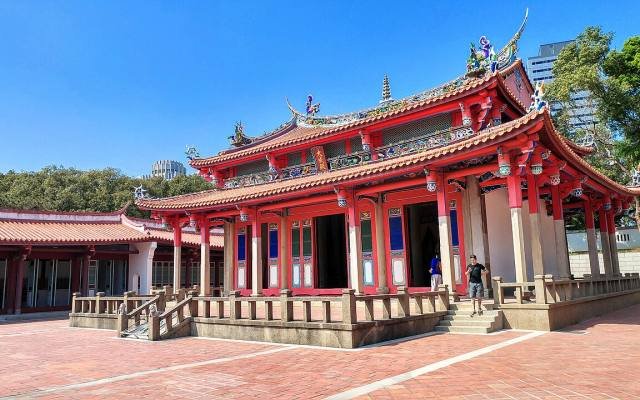 Private tour
Season: Year-round
 Day trip
Season: Year-round
Nearby
 Park
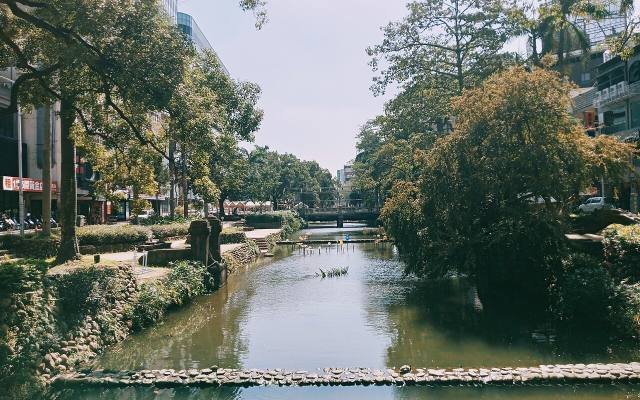
A green walk around the old walls
The moat of the old city walls, turned into a long, shady park with paths, pools and bridges that link the East Gate with the station and the City God Temple.
 Temple
Taiwan’s highest-ranking City God
A temple founded in 1748, home to the highest-ranking City God in Taiwan, wrapped in a covered maze of snack stalls selling rice noodles, meatballs and spring rolls.
 Landmark
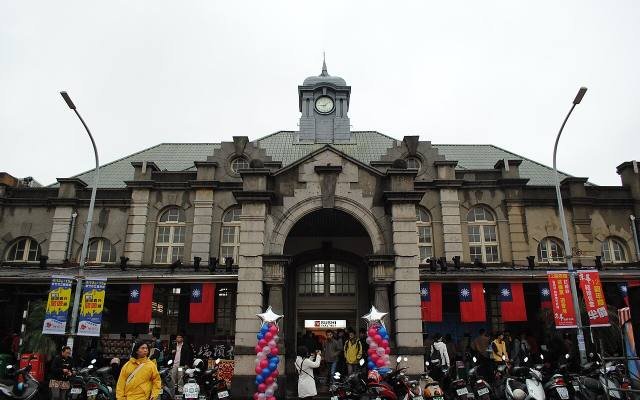
Taiwan’s oldest station building
Opened in 1913, the oldest railway station building still in use in Taiwan, with a grand stone front and a clock tower, five minutes’ walk from the East Gate.