 Temple
Hsinchu City God Temple
Taiwan’s highest-ranking City God
A temple founded in 1748, home to the highest-ranking City God in Taiwan, wrapped in a covered maze of snack stalls selling rice noodles, meatballs and spring rolls.

Things to see
The City God Temple and its snack stalls, the East Gate of the old walls, Taiwan’s oldest station and zoo, a coastline made for sunset bike rides, and the Hakka towns and giant trees of the hills. Here are the places worth your time.
Hsinchu grew up as Zhuqian, a walled town. The walls are gone, but the East Gate, the moat and the temples still mark the old centre, and everything here is within a 15-minute walk of the railway station.
TempleTaiwan’s highest-ranking City God
A temple founded in 1748, home to the highest-ranking City God in Taiwan, wrapped in a covered maze of snack stalls selling rice noodles, meatballs and spring rolls.
 Landmark
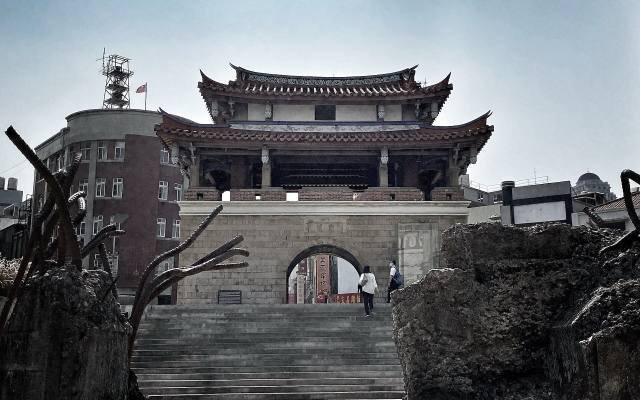
The last gate of the old city walls
The stone gate tower finished in 1829 for the city walls of Zhuqian. It is the only gate still standing, on a plaza at the heart of the city, and is lit up at night.
 Landmark
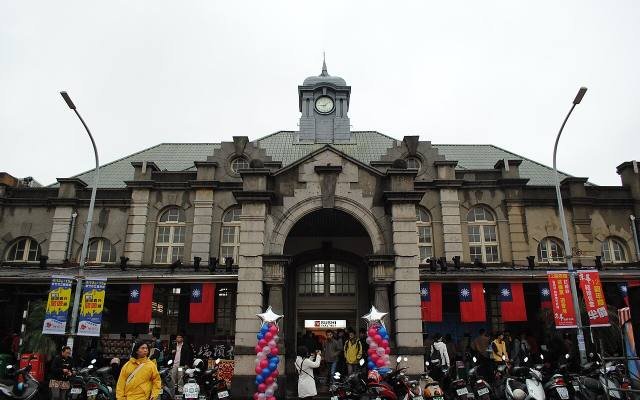
Taiwan’s oldest station building
Opened in 1913, the oldest railway station building still in use in Taiwan, with a grand stone front and a clock tower, five minutes’ walk from the East Gate.
 Park
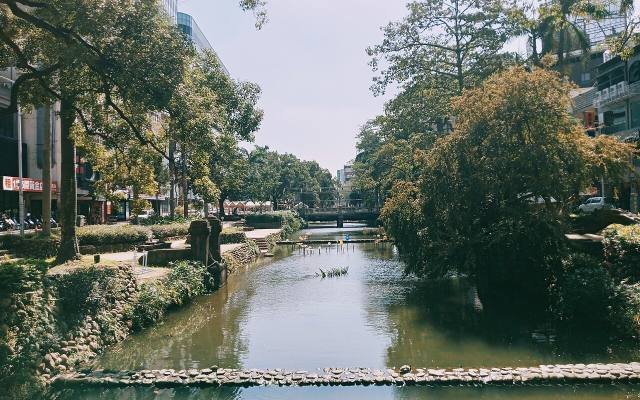
A green walk around the old walls
The moat of the old city walls, turned into a long, shady park with paths, pools and bridges that link the East Gate with the station and the City God Temple.
Hsinchu Park, a short walk from the station, has the oldest zoo in Taiwan and a glass museum. To the west, the city meets the Taiwan Strait at Nanliao Harbour and a 17 km coastline of cycle paths, wetlands and sunsets.
 Park
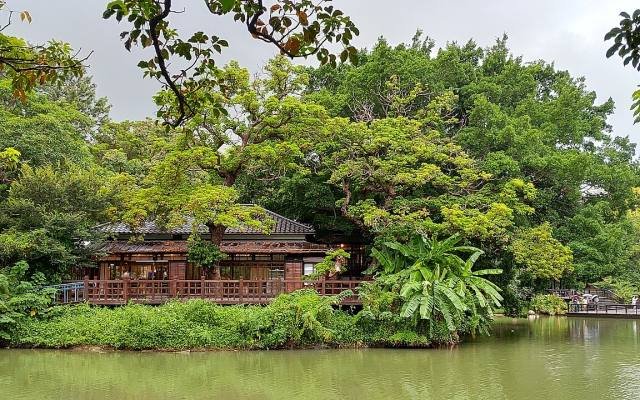
Taiwan’s oldest zoo
A large park east of the station, with a lake, a Japanese-era teahouse and the Hsinchu Zoo, opened in 1936 and the oldest zoo in Taiwan, rebuilt and reopened in 2019.
 Museum
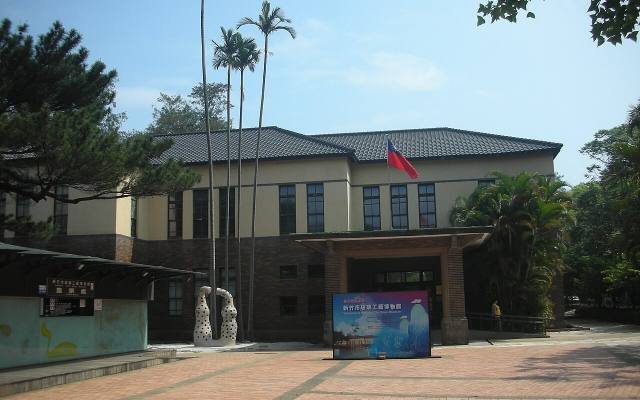
Glass art in a Japanese-era hall
A museum of glass art in Hsinchu Park, in a building from the Japanese era. Local sand and natural gas made Hsinchu the centre of Taiwan’s glass industry.
 Harbour
Seafood, kites and sunsets
Hsinchu’s fishing harbour on the Taiwan Strait, with a seafood market, a grassy waterfront where families fly kites, and the start of the 17 km coastline cycle path.
 Coast
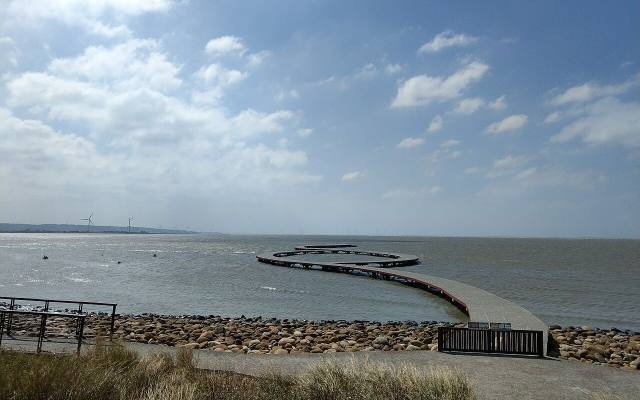
Cycle paths and tidal flats
A coastline running south from Nanliao, with a cycle path, lookouts and the Xiangshan Wetland, where a curving boardwalk leads out over tidal flats full of crabs and wading birds.
Hsinchu County rises from the coast into green hills, where Hakka towns such as Neiwan and Beipu keep their old streets, teas and food, and on into the high mountains of the Atayal people.
 Hakka village
A railway town in the hills
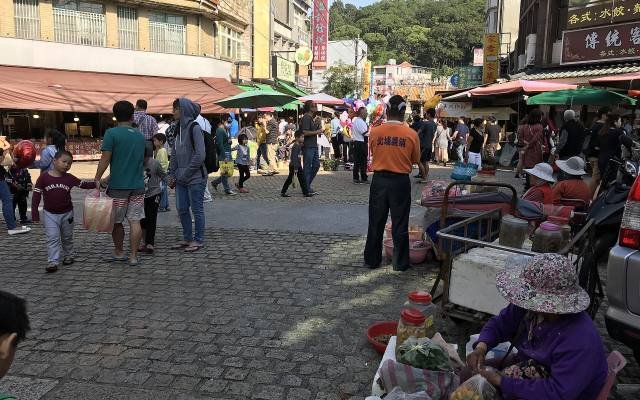
A Hakka village at the end of the Neiwan branch railway, about an hour from Hsinchu, with an old street of snack stalls, a suspension bridge and an old cinema turned restaurant.
 Hakka town
Temples, mansions and pounded tea
A Hakka town in the hills south-east of Hsinchu, with the Citian Temple, 19th-century mansions and teahouses serving lei cha and Oriental Beauty tea.
 Forest
Giant cypresses and an Atayal village
An Atayal village at about 1,500 metres in Jianshi Township, run as a community cooperative, with a trail to a grove of giant red cypresses, some more than 2,000 years old.
 Theme park
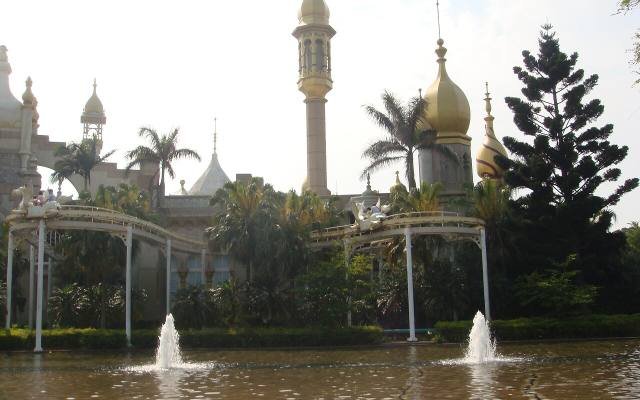
Rides and a safari park
A theme park in Guanxi, about 40 minutes from Hsinchu, with themed lands, roller coasters, a summer water park and a safari park of African animals.
Hsinchu’s old city lies between the railway station and the City God Temple, and you can walk across it in 15 minutes. Plan a day for the city and the coast, and add day trips for the Hakka towns and the mountains.
Nanliao Harbour is about 20 minutes from the centre by taxi or bus. Go in the late afternoon, hire a bike for the coastline path and stay for the sunset.
Neiwan and Beipu make a good day trip together. Smangus is best with a night in the village, and Leofoo Village is an easy day out with children.
Temples open early and close late. The zoo and many museums close on Mondays, and the Hakka towns are much quieter on weekdays. Our one-day Hsinchu itinerary puts the city together.

Plan your Hsinchu trip
Eat rice noodles and meatballs by the City God Temple, cycle the coast at sunset, ride the little train to Neiwan or walk among 2,000-year-old cypress trees. Compare tours and book in a couple of taps.